
“Our expert guide unravels everything about wisdom teeth removal, procedure, recovery & FAQs! Say goodbye to dental worries!⚕️”
Wisdom teeth are the third set of molars, usually appearing in late teens or early adulthood. They may cause discomfort if not aligned properly and often require extraction to prevent potential oral health complications like overcrowding or impaction.
Wisdom teeth removal is crucial to avoid overcrowding, irritation, and infection in the mouth. Wisdom teeth removal Wollongong helps maintain optimal oral health by preventing dental issues like impaction or misalignment that can adversely affect other teeth’s function and appearance.
Understanding Wisdom Teeth
Wisdom teeth, or third molars, develop in adulthood. Typically erupting between ages 17 and 25, their historical function was compensating for diet-worn teeth. However, modern diets render them usually redundant and potentially problematic if there’s inadequate jaw space.
Wisdom teeth issues include impaction, misalignment, pain and swelling. Impacted wisdom teeth may harm adjacent teeth or cause infection. Misalignment can damage your bite. Additionally, cyst formation near impacted wisdom teeth can lead to bone destruction.
Determining the Need for Wisdom Teeth Removal
Indications for removal refer to the specific signs or symptoms indicating that an object, substance, or condition needs eliminating. This could be due to associated risks, dysfunction or nuisance interfering with health, well-being or productivity.
Persisting excruciating pain, infection signs like discharge or fever, obstruction in functioning, growth of benign or cancerous lumps, and substantial decay are indicative symptoms suggesting an urgent need for removal to avoid further severe health complications.
The consultation process involves discussing matters with relevant parties to obtain advice or feedback. This crucial step ensures informed decision-making, considering different perspectives and increasing the likelihood of agreement on any proposed actions.
The Procedure of Wisdom Teeth Removal
Pre-surgery preparation entails several steps to ensure the patient’s safety. This includes conducting medical check-ups, fasting guidelines, medication adjustments, hygiene practices like showering and avoiding certain activities or food that might escalate surgical risks.
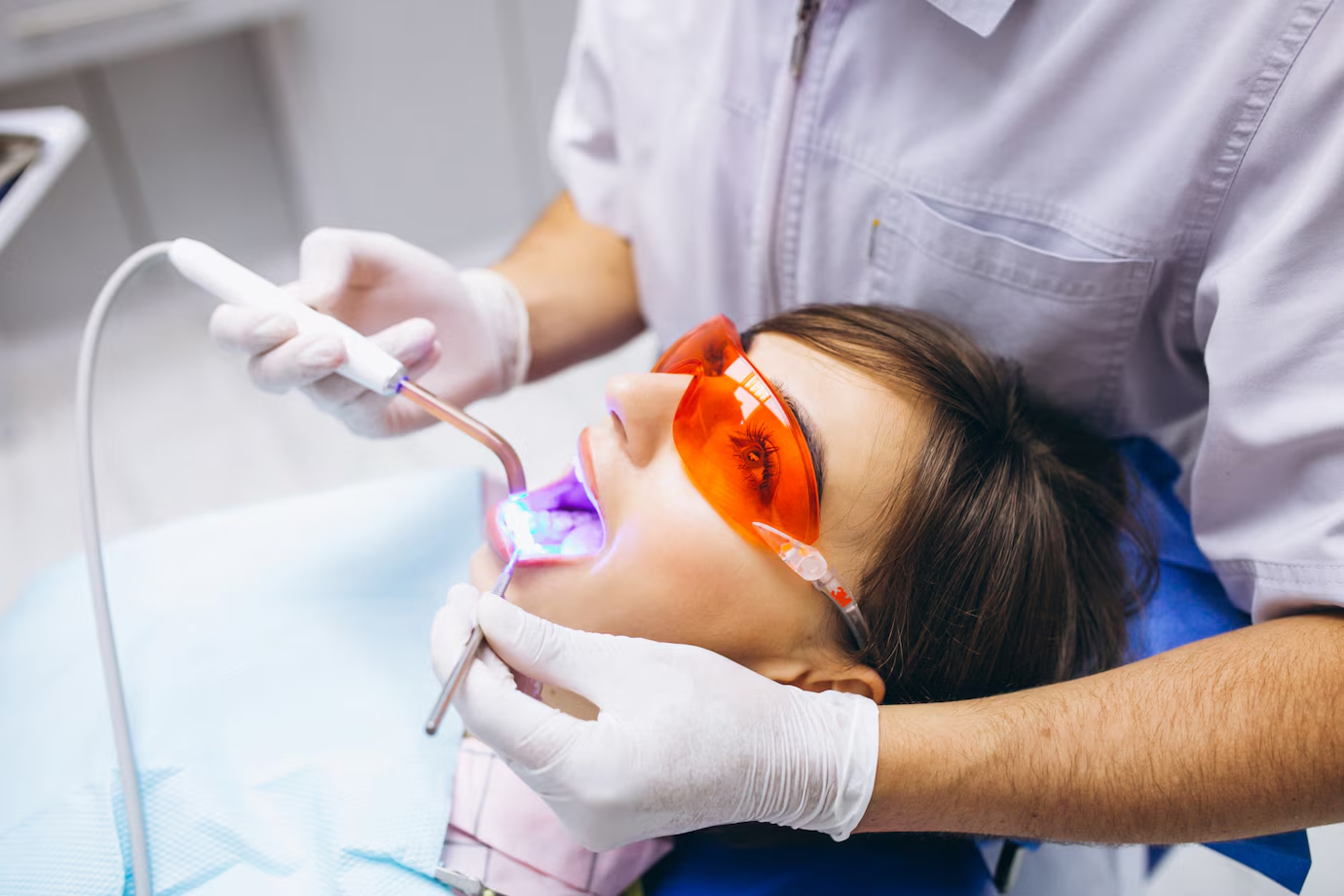
A typical wisdom tooth extraction surgery involves a dental surgeon numbing the area, incising the gums to expose the tooth, removing it in sections if necessary and suturing the wound for optimal healing. Proper aftercare is important.
The extraction process involves various techniques such as solvent extraction, supercritical fluid extraction, and ultrasound-assisted and microwave-assisted extractions. Each showcases unique principles and uses in obtaining active components from various natural sources efficiently and eco-friendly.
Post-surgery protocol covers procedures to facilitate healing and prevent complications post-surgery. It includes steps such as wound care, pain management, physiotherapy if required, prescribed medication adherence and follow-up doctor appointments for monitoring recovery progress.
Recovery from Wisdom Teeth Removal
Immediate post-surgery care involves monitoring vital signs, managing pain, preventing complications and ensuring wound healing. It requires professional medical supervision to swiftly handle potential issues like infection or a patient’s reaction to anaesthesia.
The expected recovery timeline denotes an estimated period within which a patient is anticipated to regain normal health and function following an ailment, injury or surgical procedure, taking into account variables like personal health conditions.
After surgery, ensure a comfortable recovery by creating a calm environment, and staying hydrated and nourished. Follow doctors’ orders regarding medication use and movement restrictions. Rest often, but engage in light exercise as instructed to accelerate the healing process.
Monitoring signs of complications is crucial in any health situation. Warning signals include persistent pain, vomiting, feeling breathless, abnormal temperature fluctuation or wounds not healing properly. Immediately contact a healthcare professional if these symptoms appear and persist.
Myths and Misconceptions about Wisdom Teeth Removal
Debunking common myths often entails scientific research and logical reasoning. It involves presenting facts that directly contradict mythological beliefs, enlightening people, fostering critical thinking and steering public opinion towards objective truth and rational perspectives.
Discussion on misconceptions offers an opportunity to dispel inaccuracies. Replacing these with facts fosters better understanding and perspective, minimizing misinformation spreading. Consequently, this promotes informed decision-making, evidence-based beliefs and productive conversations in society.
The Cost of Wisdom Teeth Removal
Several factors influence the cost of a product or service, including production expenses, marketing and distribution costs, market demand and competition levels. Unforeseen elements such as economic fluctuations also can significantly affect final pricing.
Dealing with insurance and payment involves understanding terms of coverage, making regular premium payments, processing claims when necessary, and handling deductibles and co-payments. Critical documentation skills and prudent financial management are essential in successfully managing these responsibilities.
Conclusion
Removal of troublesome wisdom teeth promotes oral health, alleviating discomfort, infection risks, crowding issues and chewing problems. Regular check-ups with a dental professional can help decide when and if removal is necessary for overall wellness.
It is essential if you’re experiencing any dental discomfort or abnormalities, to immediately consult a dental professional. They have the expertise needed to diagnose and treat any problems, helping you maintain your oral health. Don’t neglect your teeth!
FAQs
How many days do you need to recover from wisdom teeth removal?
Recovery from wisdom teeth removal typically takes three to four days, although it can extend up to a week depending on the complexity of the extraction and individual healing capabilities. Medication use may offset lingering discomfort.
How painful is wisdom teeth removal?
The level of pain experienced during wisdom teeth removal varies for each individual. Some might feel slight discomfort, while others may encounter significant pain. Post-surgery soreness is often controlled effectively using prescribed analgesics by the dentist.
Do and don’ts after wisdom teeth removal?
After wisdom teeth removal, rest and hydrate well. Eat soft foods, use ice packs for swelling and rinse with salt water. Don’t smoke, drink alcohol or hot drinks, ignore prescribed medication or rush your recovery.
Is wisdom removal a major surgery?
Wisdom teeth removal is not considered a major surgery. It’s an outpatient procedure performed by oral surgeons or dentists, typically under local anaesthesia. However, complexities can arise if the wisdom teeth are impacted or infected.