In the modern world, maintaining food safety and quality is a priority for both businesses and consumers. Food grade containers are specifically designed to meet safety standards that prevent harmful substances from leaching into food products. At the heart of this effort is the use of food-grade containers, which play a crucial role in preserving the freshness of food while preventing contamination. These containers are an essential aspect of various industries, from food production to storage and distribution, ensuring that consumables are kept safe and hygienic. 

What Defines a Food Grade Container?

Food-grade containers are defined by their ability to resist chemical leaching into the stored food. They are made from materials that do not react with or alter the food content, ensuring that flavours, nutrients, and safety are uncompromised. The primary materials used for these containers include high-density polyethylene (HDPE), polypropylene (PP), and borosilicate glass, each selected for its non-reactive properties, making them ideal for contact with food substances.

To officially qualify as food grade, a container must meet stringent standards set by global and regional food safety authorities. These standards assess whether the materials can withstand various environmental conditions while maintaining their integrity and preventing chemical transmission.

Materials Used in Food-Grade Containers

Plastic Variants

High-Density Polyethylene (HDPE):  

HDPE is a popular choice due to its strength, durability, and resistance to impact. It is widely used for both bottles and large storage bins. HDPE containers are also favoured for their ability to resist moisture, making them suitable for both wet and dry food products.

Polypropylene (PP):  

Known for its resistance to high temperatures, polypropylene is ideal for containers that may need heating or require sterilisation. It is often used for containers that require a sturdy build, such as those holding heavier food items.

Glass

Borosilicate Glass:  

Favoured for its …
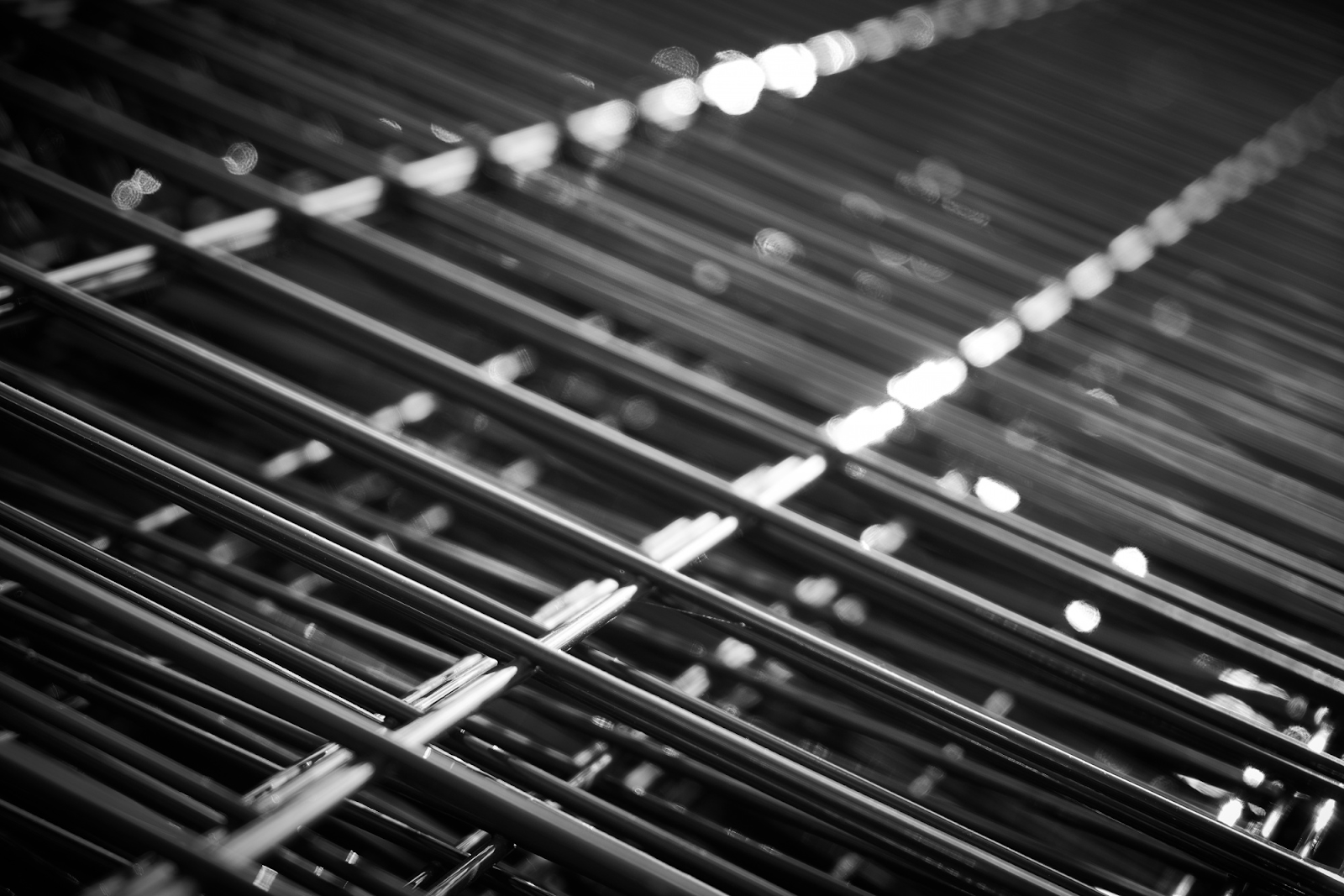
In modern industries, from construction to manufacturing, the availability of high-quality materials is fundamental to operational success. Many companies rely on reputable stainless steel suppliers in Melbourne to secure consistent stock availability and expert guidance for specialised applications. Stainless steel, prized for its durability, corrosion resistance, and versatility, plays a vital role across diverse sectors. Consequently, identifying dependable stainless steel suppliers is crucial for businesses seeking consistent quality, timely delivery, and professional support. Not all suppliers offer the same standards, making careful evaluation essential to secure long-term operational reliability and project success.

Evaluating Supplier Credibility

Establishing a trustworthy relationship with a stainless steel supplier begins with assessing credibility. Doing so ensures projects run smoothly and materials meet precise specifications. Several factors contribute to evaluating a supplier’s reliability:

Industry Experience and Reputation

Suppliers with extensive experience bring valuable insight and knowledge to their clients. A long-standing presence in the industry often reflects a proven ability to meet a wide array of requirements. Reputation can be assessed through client references, testimonials, and independent reviews, providing evidence of consistent performance and reliability. Choosing suppliers with a strong track record enhances confidence in their ability to deliver quality materials on time.

Product Quality and Certification

The foundation of any durable project is the quality of its materials. Reputable suppliers provide stainless steel that conforms to recognised industry standards, ensuring consistency and reliability. Certifications from established standards bodies, such as ISO, indicate a commitment to quality management and adherence to stringent manufacturing practices. Businesses should request material data sheets and test certificates to verify product quality and compliance, which also ensures the materials are suitable for their intended applications.

Assessing Operational Capacity and Reliability

Reliability extends beyond product quality to a supplier’s ability to meet operational demands consistently. Assessing production and delivery capabilities is critical:…

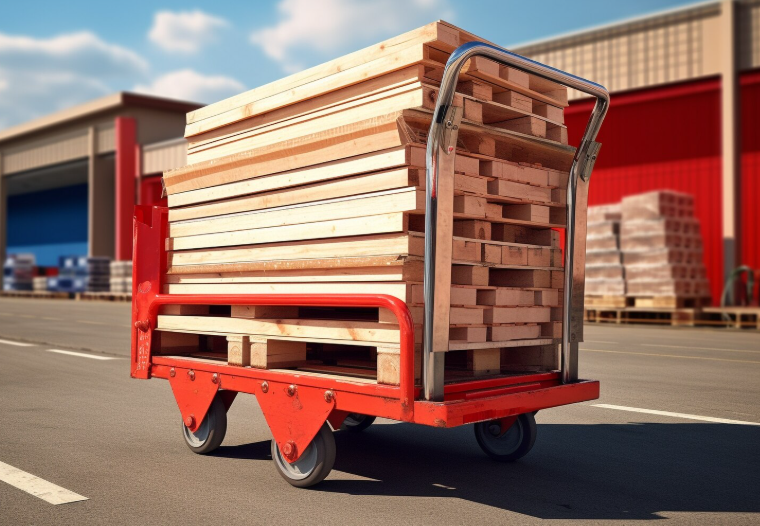
Warehouses and factories are fast-paced environments where efficiency and safety directly impact productivity. Moving materials, tools, and products from one area to another is part of daily operations. Without the right equipment, this constant movement can slow down workflows and increase the risk of injury. This is why industrial trolleys are considered essential equipment in many commercial and industrial settings.

Designed for strength and durability, industrial trolleys help businesses handle heavy loads with greater control and less physical strain. They are not simply transport tools. They are practical solutions that support smoother operations across multiple industries.

The Role of Industrial Trolleys in Material Handling

Material handling is a critical part of warehouse and factory management. Goods arrive, are sorted, stored, assembled, and dispatched. Each stage requires movement.

Industrial trolleys bridge the gap between manual labour and full automation. While conveyor systems and forklifts handle large-scale movement, trolleys provide flexibility for smaller loads or tighter spaces. Workers can transport tools, boxes, machinery parts, and supplies quickly without waiting for larger equipment.

This adaptability makes them an integral part of the daily workflow.

Improving Workplace Safety

Manual lifting remains one of the most common causes of workplace injuries. Carrying heavy items across long distances can lead to back strain, muscle fatigue, and accidents.

Industrial trolleys reduce the need for repeated lifting by allowing loads to be placed securely on a wheeled platform. Workers can then push or pull items with significantly less effort.

By minimising physical strain, businesses improve occupational health and safety standards. Fewer injuries mean reduced downtime and lower compensation costs, which benefits both employees and employers.

Enhancing Productivity and Efficiency

Time efficiency is crucial in warehouse and factory operations. Delays in moving materials from one station to another can disrupt production schedules.

Industrial trolleys enable faster transportation of goods …